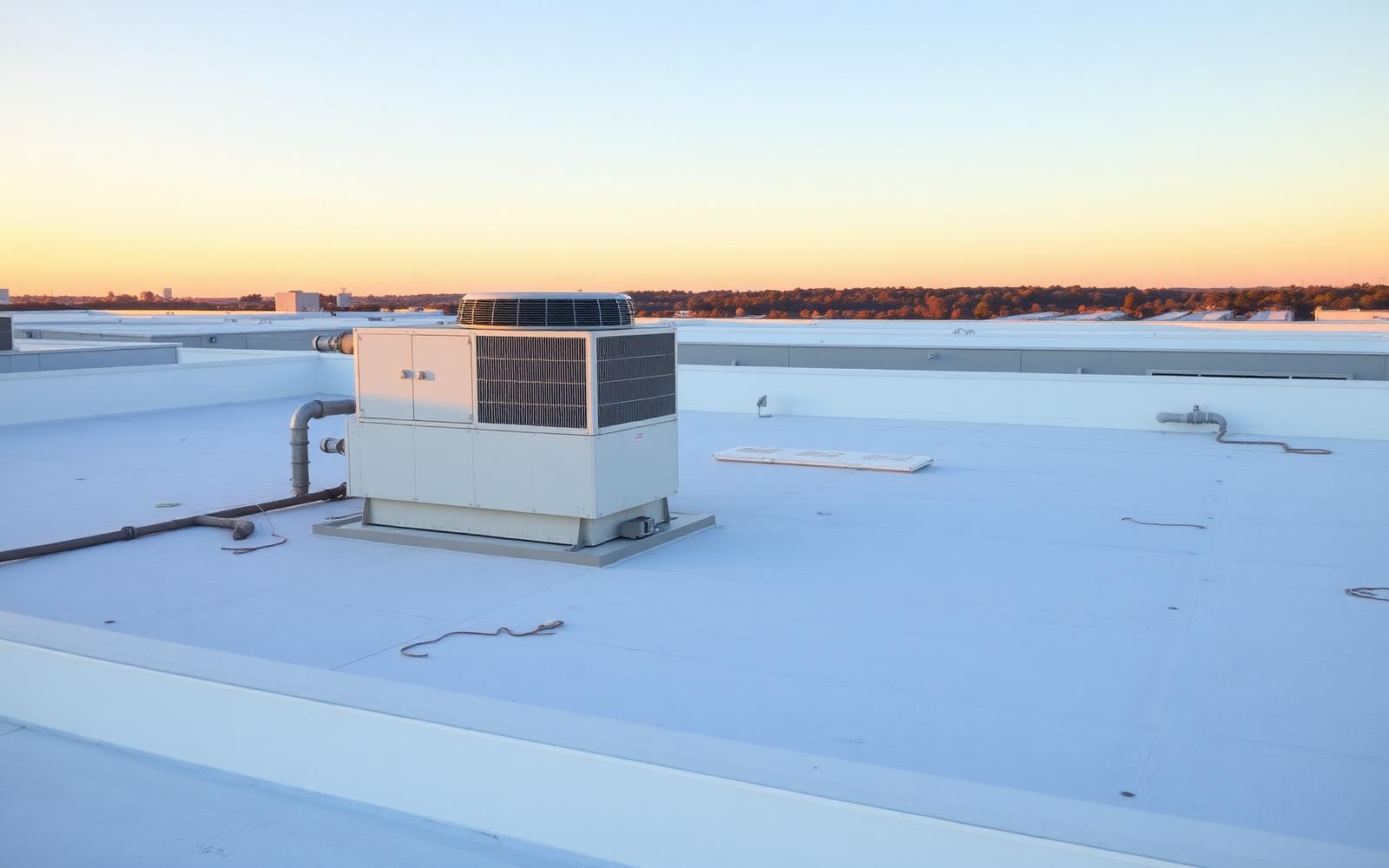
What an HVAC air quality review covers
A full office HVAC air quality review covers fresh air intakes (location, contamination, bird/vermin proofing), filter banks (grade against ISO 16890, condition, bypass), heat-recovery devices (cleanliness, cross-leakage), cooling coils (condensate management, microbial risk), humidifiers, ductwork cleanliness against BESA TR/19 levels, supply diffusers and return grilles. Plantroom records, maintenance logs and BMS trend data complete the picture.
Where office air contamination comes from
Common sources of HVAC-driven air contamination include intake locations downstream of car-park ventilation or kitchen extracts, fouled or bypassing filters, biofilm growth on dirty cooling coils, humidifier reservoirs, and accumulated dust in long-uncleaned supply ducts. Each shows up as a distinctive pollutant or microbial signature in the breathing zone.
Testing and verification
We pair the visual and engineering inspection with measurement: differential pressures across filter banks, fresh air fraction at the AHU, ductwork dust deposit measurement to TR/19 protocols, and where appropriate microbial sampling on supply diffusers, cooling coils and humidifier water.
Remediation and improvement
The report sets out prioritised remedial actions — filter upgrade, coil clean, duct clean to TR/19, humidifier overhaul, intake relocation — with indicative costs and the expected indoor air quality outcome. We can specify and oversee the works and verify the outcome with follow-up testing.
Frequently asked questions
How often should office HVAC be inspected for air quality?
Filter inspections quarterly, full HVAC hygiene inspection to BS EN 15780 annually, ductwork cleanliness audit to TR/19 every 2–5 years depending on use.
What's the difference between HVAC maintenance and HVAC air quality review?
Maintenance keeps the system running. An air quality review tests whether the running system is actually delivering clean air to the breathing zone — they often diverge.
Can a fouled AHU make an office smell?
Yes — biofilm on cooling coils and stagnant humidifier water are common sources of musty or earthy office odours, especially noticed first thing on a Monday.