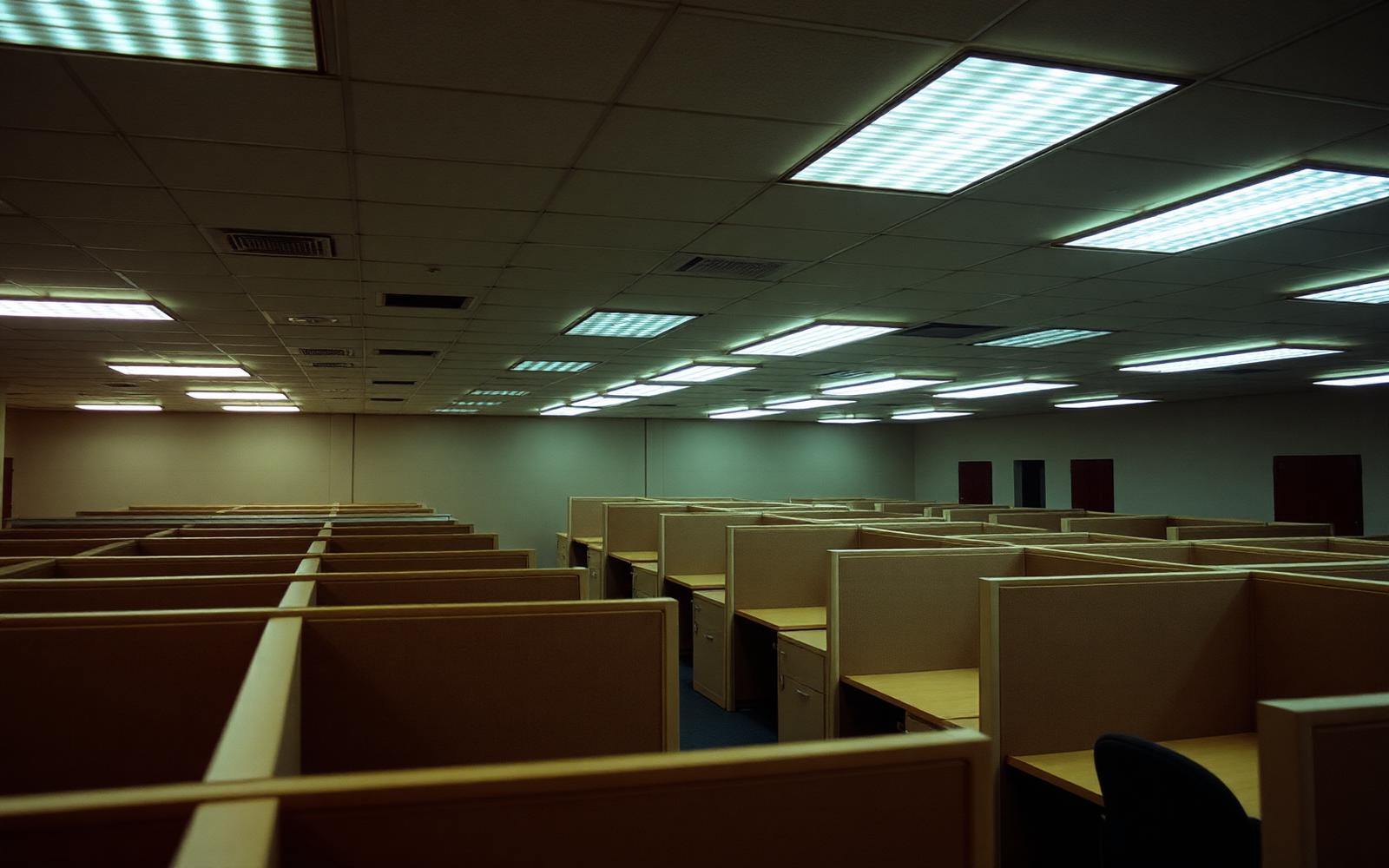
Signs you have poor office air quality
Bad air quality in office settings rarely arrives with an alarm. The classic signature is a cluster of low-grade symptoms — afternoon drowsiness, dry eyes, headaches in meeting rooms, lingering odours, a general sense that the air is 'stale' or 'stuffy' — that improve within an hour of leaving the building and worsen on busy days. Where symptoms cluster by zone (south side meeting rooms, the dense bank of desks furthest from the AHU) the cause is almost always ventilation.
What causes poor office air quality
The dominant cause in UK offices is fixed-schedule ventilation running against hybrid occupancy. The AHU supplies the same fresh air rate every Tuesday at 11am whether the floor has 60 people or 200. On full days, CO₂ climbs past 1500 ppm by mid-afternoon. Other common causes include fouled filters, blocked supply diffusers, sealed openable windows, post-refurbishment VOC loading, fouled cooling coils, and urban PM2.5 infiltration through under-graded filtration.
Investigating the cause
A structured investigation starts with two to four weeks of continuous monitoring (CO₂, PM2.5, TVOC, temperature, humidity) plus a brief occupant symptom survey. The data tells you whether the issue tracks occupancy, weather, time of day or none of the above. Targeted sampling — VOC speciation, formaldehyde, microbial — follows where the live data points to a specific source.
Fixing poor office air quality
Most poor office air quality resolves with a sequence of low-capital actions: rebalancing supply against extract, replacing time-expired filters, recommissioning VAV terminals, cleaning cooling coils, and increasing fresh air supply during peak occupancy. Where the AHU genuinely lacks capacity, the business case for upgrade — or for demand-controlled ventilation — is straightforward once you have the data.
Frequently asked questions
How do I know if my office has poor air quality?
The signature is clustered symptoms (drowsiness, headaches, dry eyes) that improve on leaving the building, plus measurable indicators — CO₂ above 1500 ppm, PM2.5 closely tracking outdoor levels, TVOC above 500 µg/m³.
Can poor office air quality make staff ill?
Yes. Beyond the well-documented productivity and cognitive effects, sustained exposure to elevated PM2.5, VOCs and formaldehyde has measurable health impacts. CO₂ itself is non-toxic at office concentrations but is the most reliable proxy for under-ventilation.
How quickly can poor office air quality be improved?
Most low-capital actions — filter changes, ventilation rebalance, increasing fresh air supply — show measurable improvement within days. Capital interventions take 6–12 weeks.